Tag: Chattahoochee Child

  • Chattahoochee Child — Chapter Two

    Chattahoochee Child — Chapter Two


    CHAPTER TWO – ROOTS

    Dearest Rebecca:

    Sometimes in life, we must write a letter to ourselves for us to heal. Writing the message gets the words down…opening the mind to what happened, how we coped, and, most of all, how we learned to love again. For years, I lived without love. Why? Simple. I thought I was unworthy of love. After all, no one in this world would ever love someone so outspoken, independent, and threatening as I was. At least those were the words I grew up hearing over…and over…and over again! I believed I was a monster. I stood alone; after all, no one loves me! And so today, Dear Rebecca, I address this letter to you, after all – no one knows you better than you know yourself. You are Rebecca!

    Sitting here in the early morning light, I reminisce about my childhood, and I am thankful. So thankful I had a strong-willed grandmother teaching me faith. Grateful, I found guidance woven within the fingertips of her hands. I watched her with a critical, curious eye when she folded her hands in prayer. I listened to her. When she whispered ever so softly praying for God to guide her and give her strength to cope with these burdens. I learned so much just by watching her actions — the beliefs and values she taught me are priceless.

    My grandmother influenced my life by guiding me as she practiced the values, philosophies, and standards she shared in her actions and prayers. Without her guidance, I would not be the woman I am today.

    I am thankful that I got to know and improve my relationship with my father. As a child, I overlooked his indiscretions. When my mother criticized him for his quick temper, I looked to see a different person. In my innocent eyes, I saw a caring man who adored singing with me. He taught me how to harmonize and to sing from the pit of my stomach. He taught me to believe in the power of God’s words, and when he rarely spoke about his identical twin brother who died too young, I saw the pain on my father’s face. I wanted him to love me like he loved his twin brother. I wanted to learn more about their dreams of harmonizing and preaching the gospel to others. When my father lost his temper, beating my mother, I was the five-year-old little girl who ran between them, pushing my hands on their hot bodies to move them apart. I was the one who strove to see the good and not the bad in relationships. I am grateful that I overlooked the sadness of a volatile man who only showed his anger behind the closed doors of our home. Singing and preaching in church, no one knew the secrets of our family. When Dad was diagnosed with esophageal cancer, I am grateful that I was the daughter to step up and care for him. Due to his terminal illness, I learned to reach out to other family members while praying they would respond to Dad and me. I am thankful we had a small amount of time to heal childhood wounds while we developed a closer relationship before we said goodbye.

    As a woman, I am thankful I found the courage to survive when the storms of life threaten me. I am grateful that I have an inner strength that helps me find the courage to survive.

    Reflecting on my childhood, now I recognize how painful it was. Yes, as I look back on my life as a child, I could dwell on the heartache and pain, the many episodes of family abuse, and the hatred that appeared to dance inside our family. However, as my father said to me during his torrential battle with esophageal cancer, I chose to move forward. I do want to move forward, to wash all of the hurt and anger away. While it still dances inside my mind at times, I wish to bid the rage and abuse goodbye permanently.

    As a young child, I lived in fear. Fear of my parents and their habitual demeanor of shouting angry, hateful words to each other. Never did I hear my mother or father say, “I love you,” to each other or the children of their marriage. Most households awaken to children laughing with excitement for the events of the day. Morning hugs are shared. I hungered to have just one morning where my mother would hug me before I left the house. Monsters appeared inside our household, inside the cantankerous voice of my mother and the boisterous shouting of my father. My mother taught me to be seen, not heard. Relatives described me as shy. I haven’t addressed our household as a home because it wasn’t home. A home is where a family goes to receive love, attention, and a feeling of belonging. Home is a place to share life’s events and life’s tragedies, a place where children come for comfort and guidance. As a child, I was a stranger trapped within four walls. We moved like drifters, never establishing roots or cherished memories. Never did I feel a sense of belonging, except for school.

    Deep inside my heart, I struggled to find positive, happy thoughts, seeing them only in the energy, happiness, and pride I found whenever I sang or wrote. For years, I kept a diary, hiding it underneath my mattress, and that is where I slowly learned to feed positive energy to myself. “A home is where the heart is,” only my heart never felt comfortable within my birth family, except for the wisdom and knowledge I received from my maternal grandmother and my father – on his good days.

    Once I heard the quote, “Turn a negative into a positive,” I asked my teacher how someone could do that. She smiled at me, saying, “By applying positive feedback and believing in yourself. Don’t allow others to discourage your dreams.”

    My teacher’s encouragement remained with me. I recognized that my home situation was venomous. The toxic words I heard so often felt as poisonous as the stings from a yellow jacket or a snake, burning inside my brain and body. Hurting. Demolishing. I realized that to survive, I had to build myself up by feeding positive brain thoughts. Although I was a child, I could not permit negative thoughts to destroy what I desired in my life. My life was up to me. Slowly, ever so slowly, I applied the newfound knowledge of turning a negative into a positive. Whenever I heard my mother tell me I was a stupid child, I visualized being smart. I read books. I studied. I did everything within my power not to be a foolish child, and before the age of thirteen, I realized I was not stupid. In school, I made all A’s. I sang in the choir, and whenever a project was assigned, I worked hard to make the best grade in the class. Teachers complimented me on my writing and researching talents. The choir director told me I had a lovely voice, and when the words of destruction from my mother’s voice echoed in my head, I fed myself positive thoughts. After all, I wasn’t stupid.

    Although I was young, the struggles of my life taught me courage. I was on a journey to find the young girl who would become the woman I am today. Many people have told me that as adults, we are a reflection of our parents. I was determined to break the toxic, backbiting habits of my mother. Yes, I watched her actions, making mental notes to make my life different. Observing her manipulations, I chose to do things in a different style.

     Life is so precious, and we must cherish every breath we take, every moment we live. The only regret I have now is the reality that my mother and I never made peace. Repeatedly, I tried. My mother allowed negativity to feed anger within her. Now, she was in the twilight years of her life, struggling to become stronger after a stroke. Before this, she allowed the many storms of her life to destroy her. Filled with anger and resentment, she rarely shared compliments or encouragement. Instead, she spat back with a toxic attitude, telling me I would never amount to nothing but a hill of beans. I grew to hate her attitude towards me. Perhaps her resentment was a reflection of her innermost desires. Maybe she considered herself a failure, and now, in the twilight years, she realized her life was circumscribed. Mortality was knocking at her door, and there was nothing she could do to fight it.

    Or – maybe – my mother was jealous of me and the relationship I developed with my father. I overlooked his temper as a child, and when he sang “You Are My Sunshine” to me, I melted. Just maybe…just maybe I was lovable, after all!

    During her struggle to survive, I challenged myself to look at my mother’s life. Although she never shared her childhood stories, or the romance and marriage, I realized there had to be pain intertwined within the core of her persona. The only time I recall her showing any emotion was on the day she and Dad separated. Arriving at home, I found her in tears. When I ask her what was wrong, she replied, “Your damned daddy has left me. It’s all your fault. You’re the one who told him to leave yesterday. I hope you are happy now, you stupid bitch.” Her hand slammed hard on my face, leaving a fiery redness I felt for hours. Rubbing my face, I tugged at her apron strings. “But you said you wanted him to die. Over and over, you said you hoped Daddy would die soon. Don’t you remember saying that to me when I was little?”

    “You shut up. Death is different…You have time to mourn. Divorce…Why Divorce is something shameful, especially for a Southern woman.”

    Regardless of how cruel she was, I learned to accept her as a lost woman. A woman who never achieved her own goals. A woman angry that the man she married chose to divorce her instead of standing by her. Angry. So enraged at how she could be so hypocritical. Infuriated that her children grew up, refusing to remain by her side. Angry that no one else wanted to be her friend or companion. The red-eyed monster of anger captivated her. She could not see the deceptions she created, blaming him for the thunderstorms in her life, nor could she accept responsibility for her actions.

    Still, to this day, I regret how my mother would not allow me to be close, but now that I am older and wiser, I recognize that she behaved in the same hateful, malicious demeanor to others, especially to my dad.

    After my mother’s death, I have recognized that our relationship is now a closed matter. We cannot sit down together to attempt another open discussion of why we were so estranged. She is gone.

    On the night of her death, I did not receive a phone call from the nursing home or hospital. Later, I found out why.

    My alienated sister phoned me 16 hours after her death, letting me know the funeral would be a graveside service. She inhaled and slurred her words. “Do you think they’ll do an autopsy?”

    I didn’t answer. Maybe I was in shock, or perhaps I was uncomfortable talking to this woman who was a distant family member I did not know. I hadn’t seen her in years; nevertheless, spoken to her. The last time I saw her was when I visited my mother’s home alone, and this deranged woman known as my sister slapped me three times, leaving bruises.

    Later that evening, while sleeping in my bed, I awoke to the words, “Do you think they’ll do an autopsy,” rushing through my brain. Nothing I could do or say could bring my mother back. I had to find peace. I needed to come to terms with what happened on the night of her death. Although she was an embittered woman with a poisonous tongue, I loved her. She gave me life. Watching her actions, I learned that I was the one responsible for my character, my values, and my beliefs. My life was up to me to build, and I did not wish to allow others to destroy me. I have realized that I am the woman I am today, thanks to all that I’ve survived. I found strength and purpose inside an unhappy home that should’ve taught me obliteration. Instead of walking in the shadows of my mother, I chose to walk alone. I suppose I have finally found my way home.

    Sincerely,

    Rebecca
  • The Saga Continues – Notes About Chattahoochee Child

    The Saga Continues – Notes About Chattahoochee Child


    Dearest Readers:

    Today is Memorial Day. I’ve written about it, posting it on my blog. Now that hubby and I have spent a quiet day together; I chose to post something here. A few weeks ago, I lost an acquaintance/friend who battled cancer during the Pandemic. Since I was in significant pain from a broken back and I have asthma, I could not visit her. I was still wearing a cumbersome back brace. When she died, I couldn’t attend the funeral since asthma was causing me to cough violently. Another friend and I sent flowers to her funeral. I’m still hoping they were received.

    This week, another acquaintance passed away. Well, I believe it was last week. She had a heart attack at the age of 46-years-old. Never did I meet her in person, but I do feel her loss. Occasionally, she would ask me questions about writing since she desired to write. I told her to ‘write from the heart.’ When she posted some of her stories on FB, I enjoyed reading them, along with her fans.

    These two losses are talking to me, just like the voice would speak to me after losing my father. After his death, I spent days and nights working diligently to finish the story, CONDITION OF LIMBO. One year later, it was published. 

    In 2005, I became a travel writer, targeting the Eastern and Southern states, focusing on hospitality, travel, and food. During this time, in the middle of the night, I thought of a title for a book. CHATTAHOOCHEE CHILD. When I mentioned the title in my writer’s group, I discovered the story’s plot was missing. Yes. I had characters I could quickly develop, but what was the story? 

    I placed the title in my Works-in-Progress file, keeping it tucked away. After losing two friends, I’ve realized again just how short life is. I’ve found myself saying I don’t want to write, or I’m too tired to write. My writing sucks. I hate writing, and of course, I’ve procrastinated, telling myself I can write tomorrow.

    But wait. What if I don’t have a tomorrow, and what if CHATTAHOOCHEE CHILD remains as an outline. Nothing more? I feel it must be told, shared with my reading public. I must share this poignant story about the relationships of mothers and daughters who cannot make peace with one another. 

    So, tonight while I sit at my computer writing, I am making another commitment to:

    1. Revise and submit the book proposal I began many years ago.
    2. I must stop listening to those dreams I constantly have telling me a) You are not a writer; b) What makes you think you can write? c) If you complete CHATTAHOOCHEE CHILD, everyone who reads it will know. d) I told you many times you couldn’t write or sing, and now you see I was right!
    3. I will complete the story of CHATTAHOOCHEE CHILD while submitting the book proposal to agents and publishers.
  • CHATTAHOOCHEE CHILD

    CHATTAHOOCHEE CHILD


    copyright: Barbie Perkins-Cooper

    Childhood is a time of great joy and remembrance for most people. The carefree days of laughter, hope, freedom and pride is only a glimpse into what the future holds. Most people can reflect on childhood by looking back at preserved photographs captured during birth, a first haircut, loss of the first tooth, taking that most important first step, birthday parties, and so many innocent events during the journey of life. For me, that is not the case. My childhood snapshots were tossed away by my mother when I left her home.

                I have no idea why she tossed me away, like yesterday’s spoiled, rotten trash. One of my cousins said she grabbed all of my pictures and threw them away in a fit of anger when I left home. She yanked my senior picture off the wall, throwing it into the trash. “I never want to hear her name again in this house. She’s gone – forever,” my mother shouted in a fit of rage. I pictured my mother, rushing about, rummaging through my empty dresser drawers, and closet, while she swept photographs and all memories of me away, like yesterday’s trash. “Out of sight, out of mind,” she said, tossing the images of me into the trash.

                The only picture I salvaged is a tattered black and white 8 x 10 photograph of me as a five-year-old. My hair was long, golden blonde locks of ringlet curls. I wore a lace dress with a ruffled collar. A pink bow was in my hair. My eyes glistened with brightness for what the future held for me. Little did I know this picture, preserved for many years in my father’s scrapbook collection, was the only image illustrating my existence.

                The lukewarm water of the Atlantic Ocean tickles my toes as it rushes to reach high tide. I inhale the scent of ocean air, salt and sea delicacies, crabs, shrimp, sea turtles and the humid dampness of the ocean.

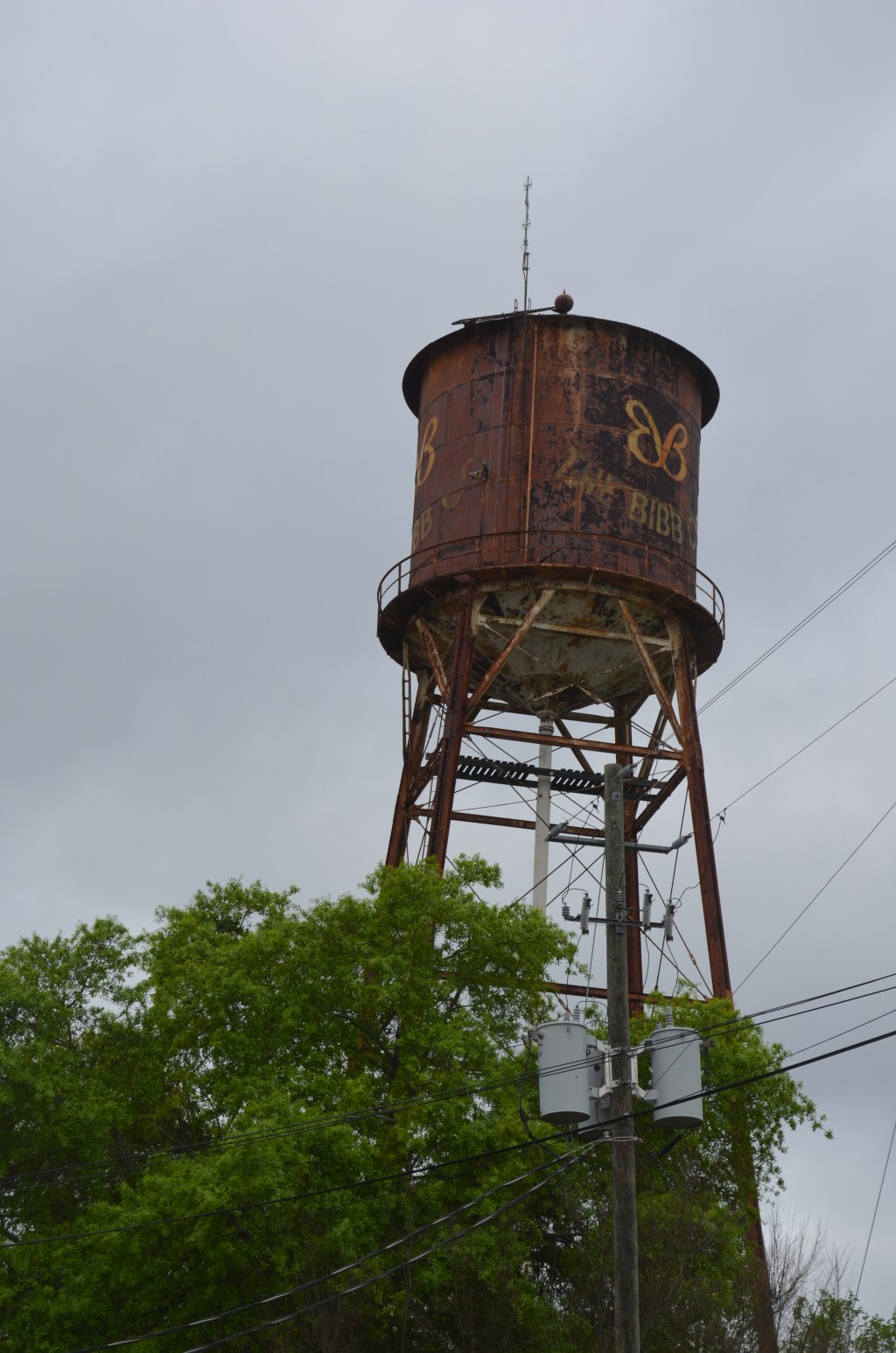
                Later, as the sun is setting, I stroll along the shore, watching the warm salt water cover my toes and I am so thankful to be here, along the shores of Sullivan’s Island, South Carolina. Station 27 oceanfront is the place where I feel home. I have love and acceptance and such pride to be alive and accepted. Although people speak to me while I saunter along the shore, they recognize me as ‘one of the regulars here,’ but they do not know me. Yes, they know my name and they know I live nearby, but they do not know who I am or what I believe in. Nor do they know I came from the shores of the Chattahoochee River and the mill town of Bibb City. They see a reflection of success and envy in me and I must laugh when I hear them whisper my name. She’s a travel writer, they whisper.

                Continuing my stroll, the Sullivan’s Island lighthouse is only a stone’s throw away. Standing over 140 feet tall, in the shape of a triangle, the lighthouse is a signature landmark for the community and was designed by the Coast Guard in 1962. Stopping to gaze at this amazing concrete structure, I recognize this is where my roots are planted. My foundation for home and life are here, along the shores of the Atlantic Ocean. Here, I feel safe, bonded in the arms of God along the shores of Sullivan’s Island at the beach at Station 27. The lighthouse stands as a beacon of light to guide me home, and that is when I realize, I have finally found home, here where my heart and soul are one.

                “Home is where the heart is,” my mother said to me as a child and as a newly married woman. “I’ve never had a home,” I spat back at her, realizing I held my love back, protecting it because my life was always filled with ridicule and criticism. No one had really loved me until my husband came into my life.

    I said goodbye to my mother in 1988, the morning after my high school class reunion. On that morning, my son interrupted my sleep by asking me what a whore was. I rubbed my eyes, stumbling awake to ask where he had heard the word.

    “Granny called you a whore. What’s a whore, Mommy? It’s something bad, isn’t it.”

    “It’s not a nice name and it’s a word you should not speak again, at least until you’re grown.”

    “Why would she call you that word?”

    “That’s a good question, and I will ask her in a minute. You go back to sleep.” I kissed Michael on the cheek, tucking him in with his father. I slipped on my robe, and headed to my mother’s room.

    I knocked three times. She opened her eyes. “Why did you call me a whore?” I shouted.

    “I did no such a thing.”

    “Yes, you did.” Michael stood next to me. “You said my mommy was a whore and a drunk.”

    The argument continued for an hour. Garrett awoke to the shouting. Recognizing this conversation would be an eternal shouting match of two stubborn women who butted heads all the time, he said we were leaving. I grabbed our luggage and stormed out of the house, refusing to look back. I cried an endless ocean of tears from Columbus, Georgia to Charleston, South Carolina. Michael apologized for starting the argument. I responded that he was not the problem. My life as a child of the Chattahoochee, the daughter to a woman who could not show love at all, was the problem. The only solution was to build my life with my family, Garrett and Michael.

    I made the decision to leave Bibb City after my marriage to Garrett. I never looked back when we drove away. My head remained high, a happy smile on my face, my husband squeezing my hand. 

    Although I felt compelled to look back, to wave goodbye to my mother and the city of my childhood, I remained strong. I would not cry. I would not glance back one last time. I was taking one final giant step to freedom and my journey as a woman, laying a corner stone to a new life built with love, strength, and a solid foundation. I did not want to unlock the door to my skeletons, nor did I want the ghosts to follow me. If I weakened, if my face quivered, or if a tear slipped down my cheek, my new world would crumble. I wanted to grasp that new world, to build a solid groundwork to a new and better life. The decisions I made were the right decisions for me. Yes, I was paying a price. My mother would never forgive me for leaving her, and if I allowed her to, she would manipulate me, finding a way to destroy everything good in my new life.

    When new friends asked about my mother, I changed the subject, afraid to express the bitterness she demonstrated by her actions. Once at a dinner engagement, a lanky auburn haired woman inquired about my family.

    “They’re in Georgia,” I said.

    “You never speak of them.”

    “Did you cut your hair?” I asked.

    “You’re avoiding the question, aren’t you?”

    “There are some things in life better left unsaid.” I excused myself and walked away.

    I realized home is where the heart is. My heart was in Charleston, not Bibb City, or the Chattahoochee. My life in Charleston was filled with suburban roots, and a solid brick foundation, not a detour route of housing projects, endless moves from one place to another during the school year, mill villages, hatred, physical and sexual abuse, and nothing to refer to as home. The windows to my world reflected love, pride, and ambition. I pinched myself to bring myself back to reality. I did not wish to remember the disturbing disconnections I shared with my mother.

  • Storms. Lightning. Thunder…

    Storms. Lightning. Thunder…


    Normal 0 false false false EN-US X-NONE X-NONE

    Dearest Readers:

    Did you hear the storms last night? Did the lightning and thunder keep you
    awake? Certainly affected me!  I walked around the house, glancing out the windows, only to discover the lightning and sheets of rain. My body jumped with each horrific lightning crash. All I could do was pray for God to keep me, the Bratty Boys,and my hubby safe.

    I rushed back to the covers, covering my eyes with my sleep mask and quilt.
    Rubbing Little Benjamin’s fur soothed me. He moved a bit closer. I suppose he
    could fear the tension at my fingertips.

    I turned the TV on and watched recorded episodes of MY LOTTERY DREAM HOME.
    Funny. I always enjoy watching David Bromstad along with his Bubbly
    personality. He has such a great demeanor. On this episode (an hour edition) he
    was quarantined like the rest of the world due to the Corona Virus, so he discussed his fashions, furs, and bling. Oh, how I can relate!

    One hour later, I am still unable to sleep or unwind. Finally, my body relaxed and I slept fitfully.

    Now that I’ve mentioned MY LOTTERY DREAM HOME, I confess, I was hesitant to
    watch it; however, the first episode I watched hooked me! I’ve had some people
    say they would never watch his shows because he is “gay.” I say – so what! Some of my dearest friends are gay, and when I was a teenager, one of the guys I dated was gay — behind closed doors. Sad to say, Charles committed suicide when I was 16. I was devastated. I had no idea he was so lost within himself, he chose to end his life.

    I suppose the fears I experienced last night during the storms reminded me how we must open our minds and lives to all journeys of life. Storms. Lightning. Thunder! The fears created.

    Storms! Why do storms such as the ones in the middle of the night and at early dawn always torment me? Maybe it’s because I hear the words of my mother during my childhood – haunting me. Laughing at me while I shivered with fear.

    “You stupid girl. I hope God lets that lightning strike you dead!” My mother said. Never did I tell my father. I was too ashamed and afraid he might laugh at me.

    Years later, while he battled terminal esophageal cancer, I stood by his bedside. His eyes stared at me. He reached to touch my face, wiping the tears. Quickly, I turned away. I did not want him to see me crying. What if he thought I was weak and a crybaby when I cried?

    “Don’t turn away,” he said. I moved closer, holding his hand. “Don’t think I didn’t notice how your mother treated you. I noticed how she laughed at you. Made fun of you and always called you a cry baby whenever you cried. She tried to turn everyone against you. Oh. The lies. She said. I knew you were different. I was proud of you. You always made a grand entrance. Yes. I noticed. Your mother bullied you!”

    I squeezed his hand. “I didn’t know you heard her. Did you hear her when she said she hoped God would strike me dead with lightning?”

    Dad shook his head yes. “I heard. God would never strike you dead. God is always there to protect us. I never said anything to her or you, but I heard every word she said to you.” He coughed, inhaled then said: “I’ve always been proud of you. You are my shining star. Don’t allow others to pull you down. Walk tall! Move forward in life. Don’t look back with pain!”

    “I’ve never said this to you, until now, Dad but I’m so glad you divorced her.”

    “It was the only thing to do.”

    That afternoon, leaving the hospital, I thanked God for the discussion my father and I had on that date. After his death, his words remained with me. How I miss him. Now, whenever storms fire inside of my head, I try to remember the conversations with Dad. I can still hear his voice. His words remain tightly
    bound within my heart where no one else can threaten me with storms. Thunder.
    And. Lightning!

    “Hold your head high. Don’t allow others to bring you down. Move forward with life. Don’t look back with pain!”

    I am thankful I had such a wise and caring father. He is still inside of me and always shall remain!


  • Stupid Girl

    Stupid Girl


    “Unlovable.” That’s what my mother described. “She said I was a stupid girl. She said I’d never amount to nothing but a hill of beans. Stupid. Stupid. Just stupid.”

    I’ve walked in these shoes even before my mother had a stroke and was released from life while her youngest daughter smothered life from her body. Never was she charged with murder, or any crime. I grew up believing I would NEVER be loved by a man. My mother would send me on a walk – to the grocery store — without any money. Her request/order for me was, and I quote: “I need you to walk to the grocery store. See the manager. He really likes you. Flirt with him and tell him he must let you get some things for supper. A loaf of bread. Pork n’ Beans. I ain’t got no money, so I need you to work it well. I know he’ll allow you to get something good for supper. Don’t tell your daddy I ask you to do this. I asked you cause I know you have a way with men. They like looking at you, when you smile those men melt. Get what you can out of them. Men like you.”


    Little did I know my good ole Southern mama was training me. Training me to get men to treat me well. She wasn’t training or teaching me LOVE. She thought I could use my looks, personality, charm and sexuality to get what I wanted in life. She said, “Men like you, Barbara Jean. They always have. Now is the time for payback. I produced a pretty girl. Maybe an actress with Southern charm. They’ll pay you lots, just to get what you want. Don’t you forget that you stupid child, Barbara Jean.”

    I was 15-years-old at the time. Mama would give me old clothes and hand-me-downs from one of my cousins. The cousin who never wore the same outfit twice. Mama told me to wear the off-shoulder blouses and shorts. “You got some nice-looking shoulders and legs, Barbara Jean, and you’ve got the right amount of boobs. Men like that!”

    Funny, I never realized my mother was encouraging me to become a hooker and I cringe, refusing to respond to anyone who calls me Barbara Jean.

    When I was 30, my marriage to Garrett was choking me. Depression left me so unhappy I thought my entire world was crumbling. My therapist, a lovely, tiny woman who always wore her hair in a twisted bun with a sparkling comb, and a bright red rose tucked inside her blazer pocket, wanted to know about my childhood.

    Looking at her, my mouth quivered. “My childhood? It was awful. Never did I feel loved.”

    “What about your mother? Didn’t she embrace you and tell you she loved you?

    “No. All she did was tell me to flirt with men. They liked me. I could get anything I wanted from a man, if I ‘worked it.’ She said if I dressed nice and showed my cleavage, men would follow me to the ends of the earth.”

    “Interesting.”

    “What’s interesting?” I asked.

    “Your mother was encouraging you to become a hooker.”

    “No. She wouldn’t do that. Good mothers do not teach their daughters to hook.”

    Covering my mouth while choking back tears, I realized something I never thought as a young girl. My hands were shaking. “Oh, my God. You’re right. My mother thought I could become a hooker.”

    My therapist scribbled on a pad. “I find it interesting you never think of your mother as abusive, cruel, or a bad mother.”

    “She said she wanted the best from me. Only her best was not what I wanted to become.”

    “It sounds to me like your mother wanted you to dress like a hooker. I always see you dressed as a lady wearing cultured pearl necklaces and earrings. Your hair and makeup immaculate. You don’t show cleavage. When you sit, you keep your legs together. Like a lady, or royalty.”

    Glancing at my posture, I realized she was correct. My legs were together, not exposed. Sitting with my ankles crossed, I realized she was right. I’m sitting like a lady. Funny. I’ve never considered myself a lady.

    “Can you share more of what your mother taught you?”

    Covering my face momentarily with my hands, I mumbled yes, sharing the stories my mother taught me. Sharing how she wanted me to use my sexuality to get what I wanted from men. “She said men would want to be with me, and she said I would never find love from any man. She said Barbara Jean was unlovable and a stupid girl. Nothing more than yesterday’s trash. Never to be loved. Never!”

  • CHATTAHOOCHEE CHILD – EXCERPT


     Dearest Readers:

    Listed below is a bit of Chattahoochee Child:

    PROLOGUE – Rhythms

    October 2003

    There is a rhythm to life, moving us at a pace we control by the decisions we make. When I was lost, and alone, I embraced the Chattahoochee River while listening to the melody of rhythms created by the symphony of dancing waters. As a child, I was fearful of the rushing waters of the Chattahoochee. Once, while standing on the banks of the murky waters, my mother shoved me, laughing deviously, reminding me of a witch.

    “Mom,” I shouted. “You pushed me. I could’ve fallen into the waters. You know I can’t swim. I could drown.”

    Her laughter reminded me of Boris Karloff. Evil. Cruel. Conniving.

    “Well, if you drowned, I’d have one less child to worry about. Not that I worry about you, ever. You’re so independent. You seem to love being alone. But I know. You’re a stupid girl. Stupid girls cause trouble. You’re the thorn in my side.”

    I crossed my arms and walked away while listening to mother’s hateful laughter.

    Water has always held my passion. On the shores of the Atlantic Ocean, I feel embraced in the hands of God when I slowly allow my body to enter the sanctity of water in Sullivan’s Island, South Carolina. While the water soothes me, I dare to find the courage to allow my body to float in the water so I can travel with the current to faraway places.

    DSC_0013***

    It feels a bit strange to breathe oxygen into my lungs after my mother’s lungs no longer needed the breath of life. A part of my being was swimming in the waters, drowning, anxious to touch the bottom depths of the riverbed, to find the grief missing from her death. My mother failed to share her life with me. Now with her death, I realized we could never make amends. Although I made many attempts to bury our emancipation, she refused to move forward. Over 20 years ago, I cried from the loss and rejection of my mother. I did not feel a wall of grief pounding down on me after her death. Instead, I felt an incredible need to confront my sister and embrace the shores of the Chattahoochee River in Columbus, Georgia.

    Now that she is gone, I’ve discovered I loved my mother, not because she was a good mother. I loved her for giving me life. Never did I approve of her mind control strategies, or for the emotional guilt she used to punish me by being so cruel. She was quick to remind me that I ‘wasn’t a good girl…I behaved badly…I asked too many questions, defying her authority.’

    When she was angry at me, she called me ‘Little Miss Goody Two Shoes.’

    ’ She twisted her words and actions, making me believe I was worthless of love from anyone. I loved her because I wanted to love her. She was my birth mother. Without her bearing the pain of childbirth, I would not have life, and I am thankful for the precious gift of life she bestowed to me. As a child, I dreamed of her returning a mother’s love; instead of sharing it, she tortured me with the supremacy of her dependence. Once, she stated to me that actions meant more than words. Without a doubt, the actions of my mother spoke volumes! The more I grew up, the more she pushed to control me and never let me go. I retaliated in the manner safest for my sanity. I broke away from her web of destruction. As a grown woman, I lived with ‘survivor’s guilt,’ the guilt of surviving and escaping the misfortunes that were due to me just by being born.

    “Life’s never a bed of roses,” Mom said to me as a child. “You and your silly big girl dreams ain’t nothing but a joke. You ain’t never gonna find no one to love you…NEVER!”

    Before her death, I chose not to reopen the cycle of bitterness delivered by the hands and poisonous tongue of my mother. Rehashing my childhood would do nothing to help our situation. She was a melancholic, unkind woman who lived life in the dark shadows of her past. I wanted to move forward with her, to make peace with her, regardless. My fondest wish was for Mom to learn to love me. Most of all, I wanted her to learn to love herself.

    The true test of life is how we educate ourselves to forgive our parents for the trials and tribulations of life’s disappointments. As children, we are born into the life we live. As adults, it is our decision how we choose to mold ourselves into the person we desire. We can take a step forward, to build our life into productive, respectable individuals, or we can reflect on prejudices of the past, living our lives in a shell as a mirrored imitation of our parents. I chose to break the mold, refusing to look back with regret.

  • Lightning…Thunder…and The Roar Of Chattahoochee Child…


    cropped-cropped-arthur-ravenel-bridge.jpg

    Dearest Readers:
    It is early on a beautiful Sunday morning in Charleston, SC. The weather forecast for today is H-O-T — AGAIN! Reportedly, it is supposed to get to 85. No doubt, it will be another steamy hot day. Stepping outside in the heat of the day is like stepping into a sauna. Yesterday, we had a late storm brewing after we went to bed. I suppose I slept through it, which is something I do not normally do.
    Whenever I see lightning, I jump out of my skin, almost. My husband says even when sleeping, I will hear the thunder and lightning and jump or tremble. I do not remember doing it. Just a few days ago, we had a summer storm in the afternoon. I was in route to get my doggies from the groomer. Every time I saw the lightning flash, I jumped, while driving. It isn’t a pretty sight. Just how can a grown woman be so frightened by lightning?
    I suppose I should share my story here. If you follow my blog and read a bit of the “Chattahoochee Child” stories I’ve posted, you will understand. During my childhood, I was always the child with an opinion. In my dad’s diary, he wrote, and I quote since he is deceased now: “Barbara is really a child with opinions. She likes to get noticed, and even though she is only five-years-old, she does vocalize her thoughts, rather well.”
    Humph! I cannot imagine what he was referring to, but after high school graduation, I have learned to ‘vocalize my thoughts and opinions…’ AND — I DO question authority. I suppose it is the journalist deep inside me. I suppose you could say, during high school I was quiet. I confess I went to six high schools during eighth grade thru graduation. What? Might you say? Most people only go to one high school. It is simple. My family and I moved a lot — like gypsies. So, just when I got comfortable in one high school, off we go to another, so no one really got a chance to get to know me until we moved to Columbus, Georgia. Finally, I was able to attend only one high school for two-and-a-half years until graduation. Figure that out, if you can! Let’s just say, during high school I was considered shy and a wallflower. Heck. I was afraid to get to know anyone and forget the high school boys. All they wanted to get to know was —! Never did I date high school boys. They always had ‘rushing hands,’ and I did not want to have a battle with them. Their libido and testosterone were quite active, so I decided I would not date them.
    Since I’m free writing, it is back to my fears of thunder and lightning.
    When I was a child, my mother disciplined me constantly. “You ask too many questions,” she said. “Just do what I tell you to do and stop being so opinionated… “You stupid girl. One day I hope you’re struck by lightning…just so you’ll know you shouldn’t say so much or ask so much.”
    My mother loved to call me her ‘stupid girl.’ How I hate that description!
    I suppose it is easy to say, as a child, I probably had too many opinions, but when lightning occurred, I remember my mother saying, “I hope you get struck by lightning soon.”
    Each time I saw lightning, I cringed, sometimes rushing to hide in the closet of my bedroom so I would not see the lightning. When thunder roared, I screamed. Still, to this day, when we have storms I do my best to hide under covers, close the blinds, or stay in a room where I will not notice the roaring sounds and sights of thunder and lightning.
    I still hear my mother’s cruel words. If my memory is correct, and I do believe it is when she would say, “Girl, I hope that lightning strikes you down,” I felt as if she had no love within her body for me. The other girls in the family never heard those words, only me. All of my three sisters did whatever our mother ask them to do. As for me, you guessed it. I placed my hands on my hips and I would say, “Why must I do that? Why is it only me that cooks and cleans?”
    My mother’s reply: “Stupid girl. Just shut your mouth and do it before I get a switch.”
    One of my sisters could not even boil water when she married. The other two, expected the men to do everything. I suppose they got a real ‘wake-up call’ in marriage, and maybe that’s why their marriages did not work out. I haven’t a clue. I do not pry into their lives. Marriage is truly a work-in-progress, every day!
    I do know one of my sisters had a brutal marriage. Her husband loved to hit on her, leaving bruises and scratches she attempted to cover up with makeup. In 2002 we drove to Michigan to rescue her and her son from a safe house.
    It is easy to observe I was the Cinderella of our family, or maybe I was the ugly stepchild. Regardless, I was the one who did the cleaning, cooking, and housework. My mother continued her verbal and physical abuse after my parent’s divorce. As for me, I could not wait to leave the family. Growing up where abuse is shared like daily activities, I vowed to myself I would break the mold and never behave in such a manner. My children would not grow up afraid of lightning and thunder.
    Last night, I woke myself up listening to a voice speaking. Recognizing this was my ‘sleeping voice,’ I heard myself saying:
    “Your mama is a whore and a drunk. Just look at that dress she wore tonight to her reunion. A long black dress with a plunging neckline and a low back. Only a whore would wear that.”
    My son was seven-years-old when he heard his grandmother describing me. Just like me, he was opinionated. Reportedly, he did not appreciate what his grandmother was saying about me, so he chose to speak up and defend me.
    “My mommy is not a whore and she only drinks wine. She is not a drunk. I’ve never seen my mommy drunk. Don’t say those things about her.”
    My mother was caring for my son on that night. She promised him they would have a good time. I should’ve known she would pull some of her stunts, but I was hoping I could give her a second chance.
    Awakening from the Nightmare, I sat up in bed, remembering the scenario like it was yesterday. I remember when we arrived to pick him up, he was sound asleep. The next morning, a bit early after a night of partying at a high school reunion, my son rushed to me. “Mommy,” he said. “Granny said you were a whore and a drunk. You’re not a whore and a drunk, are you Mommy?”
    “No,” I said, scooping him up in my arms. “Mommy is not a whore or a drunk. Please don’t say the word whore.”
    “It’s a bad word?” He asked.
    “Yes. Whore is a bad word. A very bad word.”
    He looked into my eyes.
    “Whore is a woman who sleeps with lots of men, and that is not your mommy. I sleep with your daddy only. And I am not a drunk.”
    Later, we drove to my mother’s house to confront her and say goodbye. When we arrived, my mother was still in bed. I knocked on her door, then I opened it and let the words fly. I warned my husband to let me handle the situation.
    “How could you call me a whore and a drunk?” I asked. “Especially in front of my son. Your grandchild. Just what kind of grandmother are you?”
    My mother opened her eyes and struggled to sit up. “I did no such of a thing.”
    My son burst into the room. “Yes, you did,” he said, tears falling down his face. “You called my mommy a whore and a drunk. Sorry for saying that word, Mommy, but she did say it!”
    I rushed him out of the room. I knew this scenario was getting ugly.
    After a verbal battle, I knew I was defeated. My mother would never admit she said those words, nor would she apologize. My husband knocked on the door.
    “We’re leaving,” I said. “I cannot tolerate this abuse anymore. It’s bad enough I tolerated her abuse all of my childhood, but to say those things in front of my child is something I will never tolerate. How could you, Mom? How could you be so cruel to him?”
    On that morning, as we drove home to Charleston, I decided I would not see my mother again. Arriving home, I had several messages on the answering machine from my mother. I erased them all, not wanting to listen to her cruelties anymore. There comes a time in life when we must cut the cords of abuse. My time was now. I had to protect my child.
    Motherhood is never easy. We all have regrets of things we would change, if only we could. We would be more patient and kind. We would not shout, nor would we lose our temper. One rule I kept is the rule of if I am angry, I will walk away. I certainly had times when I saw my mother inside me, and when that occurred, I would go to a window and pray. Just like my maternal grandmother taught me.
    As for my mother and I? Rarely did I go back to Columbus, Georgia. I attempted another reunion, stopping by to see my mother. A surprise visit. We stayed for a few minutes and left. We had hotel reservations and another reunion to attend. Neither of us felt welcomed. My mother did not rush to hug me, like other mothers do, nor did she show any affections. Her health was deteriorating and she limped when she walked. Four years later, I phoned her telling her I was coming to Columbus to attempt to ‘bury the hatchet.’
    On that visit, we had another shouting match, so I left, in tears. My mother always had a way of getting to me, bringing me down. Making me feel worthless and unlovable. Was I really such a horrible person? After a bit of soul-searching while driving, I recognized I was a good person. My mother refusing to love me was her problem, but as a child and a grown woman, I still craved a mother’s love.
    How I wanted and prayed my mother would change, but she did not. In 2000, she suffered a stroke. Her left side was virtually paralyzed. I drove to see her on Mother’s Day, bringing her a gift wrapped box of pearl earrings. She attempted to speak, but only slurred her words. When I opened the box of pearl earrings, she gasped and touched her right ear. I placed the earrings in her ears, and she attempted to smile, her face wrinkling with a scrunched lip and new wrinkles I did not remember.
    I never saw her again. She lived in a nursing home for the remainder of her days. I sent letters to her, gifts and when her dentures got broken, I paid for a new set of dentures. On September 11, 2002, she died. A questionable death, to say the least. When my sister phoned in the late afternoon of September 12, her question to me was: “Do you think they’ll do an autopsy?”
    Dreadfully ill with bronchial asthma, I did not attend the funeral. The question of “Do you think they’ll do an autopsy?” played in my mind. I made a few phone calls, including a phone call to the coroner’s office, and the nursing home. Never were those calls returned. I suspect the reason for my question was a simple my mother died under questionable circumstances.
    Did I want to stir the pot and get these answers? Since I was so ill and weak, I chose to take care of myself since my husband was away on business in Italy. I needed to rest and get well.
    Those years and those nightmares of my mother still play in my mind as the dreams did last night. Although my mother was a difficult woman and not exactly mother of the year, she was my mother. I did not hate her. I lost respect for her over the years, and I worked diligently to improve our relationship, but it wasn’t meant to be; nevertheless, the way she died is questionable and I suspect my sister knows the real story. She will not share it. I’ve done enough research to complete my story, “Chattahoochee Child.” I pray my mother is at peace.
    I pray I will not have any more nightmares about my mother. They always leave me shaken and heartbroken but today is a new day. Maybe last night’s nightmare was a result of the lightning and thunder? The sun is shining today. Clouds are overcast, but it is another beautiful day and I am certain it will be another steamy day of perspiration (or is it glitter that women release in the heat) while I attempt another day of yard work.
    My husband and I plan to work in the back yard of our home today, moving the debris of weeds, tree branches and dead limbs he worked on yesterday. I must say, I’m not looking forward to being in the heat, but once I am outside, I will work hard to get everything thrown away, and if a storm brews, or if I hear lightning, just watch me run to the back door to get to safety. I cannot get over my fear of lightning, regardless what I do or tell myself. After all, it is only lightning. It hasn’t struck me down — YET!

  • Domestic Abuse — “A Family Matter”

    Domestic Abuse — “A Family Matter”


    Dearest Readers:

    Below is an excerpt from “Chattahoochee Child.”

    A FAMILY MATTER…

    Domestic Violence…Domestic Abuse… Regardless what it is called, it is truly a vicious monster. A wild, destructive monster that roars with such anger and turbulence I vowed never to allow it to knock at my door as a grown up. There were times I felt domestic violence knocking at my door, especially whenever Garrett felt threatened by his green eyed monster of jealousy. At times I was horrified of my husband, especially on one occasion when we were fighting most of the day. He was in one of his PTSD rages, shouting at me, raising his fist, threatening, and when his anger got the best of him, he thrust his fist through the doorway of the hall. I jumped back.

    “Was that directed at me?” I asked him, rubbing my face.

    He smirked. “No. I’d never hit you.”

    I raised a manicured finger at him. “If you ever hit me, our marriage will end. IMMEDIATELY. Domestic violence is something I will never forgive.”

    Garrett rubbed his fist. “Whatever,” he said, walking away.

    In my marriage I was blind sighted to domestic violence. I made excuses. He didn’t mean to swing at me. He didn’t mean to squeeze my arm so tightly, he left a bruise. I smiled at the wrong person. Garrett just doesn’t understand. I LOVE getting attention. He will never hurt me. It’s because he loves me so much… Always forgiving Garrett’s jealous rages, I tolerated his verbal abuse. Excusing his quick, hot temper as another rage from Post-Traumatic Stress Disorder, I apologized for making him angry. Whenever men looked my way, I quickly glanced away. I did not want Garrett to lose his temper, or shout at me. I closed myself inside my home, afraid that if he called and I wasn’t home, he would retaliate with another shouting match.

    Domestic violence I knew much about as a child, although at the time it did not have the title of domestic abuse or violence. It was labeled a “family matter…” It’s just the way marriage is… Shunned…Never mentioned. Ignored! As a married woman, never did I consider that my husband might become violent, and on the day that he thrust his fist through the door, I felt the fear that a victim of domestic violence fears and I promised myself that I would not become the next victim.

    At the age of five-years-old, I saw domestic violence for the first time. My mother was outside, gossiping with neighborhood women at Joel Chandler Harris Homes in Atlanta, Georgia. I was inside our apartment playing with my doll babies when I heard my daddy shouting, calling in a harsh voice for my mother. I screamed at him, “Daddy, she’s outside talking to the neighbors.”

    “Go get her.” My daddy demanded.

    I rushed outside. “Mommy. Daddy wants you inside.”

    My mother laughed. “He can come get me,” she said. One of the five women she was gossiping with snickered. “Guess you better get inside. Gotta keep the ruler of the house happy!” All of the women roared in unison.

    Living in a housing project, the women were not exactly the Donna Reed style of women, dressed in fine clothing and high heels. My mother wore bed room slippers and a dirty housecoat. No makeup or lipstick. Two of the women were dressed in raggedy jeans and T-shirts. Their hair was messy and they smelled like dirty ashtrays. I decided on that date that I would always do my best to look my best – to groom myself like a woman and wear makeup and have my hair styled. Never did I want to be ‘frumpy’ or a plain Jane.

    “Mommy,” I said, my voice rising a bit. “Daddy’s gonna get angry.”

    The back door closed. My daddy rushed outside, waving his fist, shouting.

    “Sa-rah!” He roared. “You get in here now.”

    My mother did not move. Daddy rushed to her, grabbing her arm. She pushed away from him and he shoved her, knocking her to the ground where she hit her forehead on the concrete curb. The metal trash cans by her fell over. I saw blood on my mother’s forehead. Daddy grabbed her arm. “You get up…Now.” He barked.

    My mother struggled to get up. I reached to help her. I touched her forehead. “Are you, Ok, Mommy?”

    I stood between my parents, my arms crossed tightly in front of me, daring my daddy to reach for her again. “Daddy, don’t you ever do that again!”

    My mother glared at me. “Hush, child.”

    Daddy stomped back inside. Never did he show any concern for my mother. Mommy followed. The women standing nearby snickered amongst themselves and I realized I was the only one who came to my mother’s rescue. No one cared. Domestic violence was a family matter at that time. Everyone looked away, with exception of me.

    One of the women turned to move away, whispering something about a family matter while exhaling smoke from her mouth. I didn’t understand her words, but I did know I didn’t like any of these shabbily dressed women, and I hoped that woman would choke on her cigarette smoke. I wanted to shout at them, asking why they didn’t help my mama. After all, I was a small child. Too young to help, too young to have any rights or say-so. I decided these women were nothing but trouble! ‘Poor white trash,’ I thought to myself…’Nothing but white trash!’ I followed the blood trail from my mother’s forehead back to our apartment.

    After Mommy got inside, I got her a cold washcloth, placing it on her forehead.

    She rested on the tattered sofa of our apartment, blood still pouring from her forehead. I brought her another washcloth.

    “Get me a butter knife,” my mama screamed. I rushed to the kitchen. She placed the cold blade of the butter knife on her forehead.

    “Don’t cut yourself, Mama. Please. You’re still bleeding.”

    “The butter knife will make the swelling go down.”

    That night when I said my nightly prayers, I prayed that my mama would be all right, and I ask God to make my daddy stop hitting and knocking my mother around. After my prayers, I made a promise to myself that I would never allow any man to ever hit me, or knock me down, like my daddy knocked my mother down. At the age of five-years-old, I became the referee to my parents.

    Ten years later, I served as the referee for the final time… Arriving home from Russell High School in Atlanta, I rushed inside; anxious to tell my parents I had the lead in a play at school. I knocked on my parent’s door. No answer. I rushed to my room. A voice inside my head encouraged me to go back to my parent’s door. I knocked again. I heard the shuffling of feet, and a slap. I opened the door. My mother was standing hunched over, blue in the face, gasping for breath. A handprint was on the side of her face.

    “What’s going on in here?” I asked. My mother was getting weaker. I rushed to her side. My dad stood by the bed, cursing and throwing mail at me.

    “She’s made all these damned bills. They’re garnishing my wages. I can’t afford this. To Hell with her.”

    Moving my mother to a chair, I sat her down and moved closer to my dad. “Don’t you ever hit her again? Do you hear me, Daddy? I’ve watched you over and over again hitting my mother, and I’ve watched her hitting you, but this has got to stop! One of you needs to leave this house and marriage. One of you needs to leave before someone gets killed.”

    The next day, I rushed home from school, horrified I would find my parents fighting again. My mother was sitting on the couch with tissues in her hand.

    “Is everything all right?” I asked.

    My mother threw a tattered pillow in my direction.

    “I hope to hell you’re happy now,” she shouted. “Because of you your daddy left me today. It’s all your fault. He’s divorcing me. I hope you’re really proud of yourself, you stupid girl.”

    “How is it my fault? Yesterday, he was beating you. You said you hated him. You called him words a child should not say. All I did was make him stop beating you.”

    “That ain’t all you said. You told him to leave, and he did. He came home this morning. Packed up his things and moved out. It’s all your fault. You ain’t never to say his name inside this house again. Do you hear me, child? Never! Your daddy is dead. DEAD. Dead. DEAD! It’s all because of you. We’re moving from Atlanta, and I never want to see that bastard again. NEVER!”

    “Where are we going, Mama?” I cried, tears rushing down my face.

    “We’re moving to Columbus, to the mill village. We’re gonna live with your grandparents now. I hope you’re happy.”

    I was heartbroken. I would not get to be in the play, or have the lead. I would not sing on stage. All of my hopes and dreams were vanishing.

    Years later, I became an advocate for domestic violence. I was thankful when laws against domestic violence became a crime and I was thankful that I did not have to be the referee between my parents anymore. In their later years, I became their caregiver, serving as a parent to my abusive, cruel parents.

    After their divorce, my dad became a new man. Kinder. Happier. Religious and gentle. I received birthday gifts on birthdays and Dad and I bonded as a father and daughter. Never did we discuss domestic abuse. We focused on happy times. The birth of my child. The home Garrett and I bought in South Carolina. Our strong, happy relationship as father and daughter. Before his death in 1999, we were closer than ever. Dad was fun to be around. Never did he show any anger or hostility at my mother. Reborn inside the body and mind of my father was a man easy to love. So different. So kind. So caring.

    My mother? Slowly, she became outraged. Violent. Bi-polar. She died a questionable death after suffering a stroke. The one concern from my youngest sister on the day after her death was, and I quote, “Do you think they’ll do an autopsy?”

    My youngest sister spent the night at the hospital with our mother on the night of her death. Suppose I’ll let this story decide if an autopsy was necessary, although I suspect an autopsy should’ve been completed – to discover the true reason our mother happened to die on the one and only night my youngest sister chose to spend the night at the hospital. Interesting?

    And so – now I am developing the poignant story of “Chattahoochee Child.”

    Family Matters…Oh how they matter!

  • Reflections On July 6th of Every Year…

    Reflections On July 6th of Every Year…


    Dearest Readers:

    Today is a day of remembrance for me. On July 6, 1999, while walking into the nursing home to visit with my dad, he was slipping away. The story below is a remembrance written about him last year, on the anniversary of his homecoming. July 6, 2015, is the 16th anniversary of losing him.

    After losing my dad, what did I learn about the dying process, you might ask. Simple. I learned that when we lose a significant person in our lives, we must walk through the grief, embrace it, and move on with our lives. Believe me, it isn’t as easy as some people think. And so, today – I will share my thoughts and memories of someone who influenced my life, helping me to move on without him. Today is a day of much melancholy and gratitude to my dad. Words cannot express how much I miss him. Later, I will go outside and pray for God to give me guidance as I reminisce about my dad.

    Last night I sang “Dance With My Father Again,” at karaoke. in remembrance of him. After I sat down, two people came over to thank me. “That was so powerful,” both of them said, wiping tears from their eyes. I suppose I failed to recognize how powerful a performance can be to a singer, entertainer.

    On July 6 of each year, I remember:

    July 6 is always a day to remember for me. Why? Allow me to explain. During the stressful days of my dad’s terminal illness with esophageal cancer during December 1997 until his death on July 6, 1999, I have felt such a loss.

    I’ve had people tell me I need to move on. “Get over it. Life goes on…” Etc. ETC! It isn’t easy! Tomorrow is July 6, 2014 – exactly 15 years since the death of my dad. I remember the day as if it was yesterday. After a demanding day at work, I rushed to visit him like I did every day. I spoke to the nursing home earlier in the day. “Dad was doing fine,” they replied. “Fine!?!” If he’s in a nursing home he isn’t fine. Yes, he was as well as could be expected; nevertheless, over the last six months of his life, I watched his body slowly shutting down. First it was the weakness from esophageal cancer. His inability to retain his food. His legs grew weaker and he fell – LOTS. Each time the nursing home reported the falls to me like they are required. And each time, I prayed a sigh of relief. Just one more day. Please God, give us one more day.

    In March, his heart grew weaker, and I realized the end was near. I stopped praying for a miracle. In my nightly prayers, I prayed for God to find a special place for my dad, to use his talents, his voice, and yes – even his temper. Dad could be a tenacious man when he wanted to be!

    During my daily visits after March, I noticed Dad no longer walked me to the door, to kiss me goodbye. He simply waved his hand as he closed his Holy Bible. No longer were the visits welcoming or fun. He appeared to be angry at me, always waving me away after about 10 minutes of our time together. His roommate told me Dad was mean to me. “You deserve better,” Dudley said. “He is so mean. He should appreciate you.”

    I smiled at Dudley. “Don’t you understand,” I cried. “Dad is dying. He’s angry at life.”

    Dad and Dudley were the odd couple of Sandpiper Convalescent Center. They teased and complained, always trying to compete with each other. For a while, Dad had the upper hand since Dudley’s body no longer moved and he remained in the bed, or a special wheelchair. Dudley had difficulty with speech too, but after visiting Dad so often, Dudley and I were able to communicate without a problem. After March, Dudley had the upper hand as we watched Dad sit on his bed, or remain in his bed most of the time. Gone were his daily strolls with his walker.

    I suppose I was counting the days down, knowing my dad and I would not share another holiday together. No more birthday parties. No more Christmas trees, Thanksgiving and holiday dinners together. Tick. Tock…How I wish I could make this clock stop and save my dad.

    On the moment of his death, I was walking in the corridor of Sandpiper Convalescent Center. A nurse I recognized approached, pushing an oxygen tank. I remember speaking with her, saying Uh, oh. That isn’t a welcoming sign for someone. She nodded, never saying a word to me.

    I placed my hand on the door of Dudley and Dad’s room and so did the nurse. Quickly, she nodded, telling me not to come inside.

    I screamed.

    “Oh, Dear God, No. Please…please….Please God, NO!” I cried.

    Someone grabbed me, walking me to a chair and I sat down. I knew. The clock was stopping. My dad way dying.
    I heard a voice say, Barbie. We can bring him back.

    “No,” I cried. “He’s a DNR. I must honor his wishes.”

    Moments seemed like hours. At 6:15 a nurse approached me. “I’m so sorry. Do you want to say goodbye?”
    Yes, I nodded.

    I waited a few minutes for my husband to arrive and together, we walked into Dad’s room. Dudley was eating dinner. I could not speak to him. I touched my Dad – his body as cold as ice. His skin clammy. His eyes closed. I kissed him. Told him I loved him and I would never forget him. “You’re still here, inside my heart,” I cried.

    I have no idea what happened next. I was numb. Dumbfounded. How would I live without my Dad?

    After his funeral, I joined a grief therapy session and learned to move forward. Still, as the day of July 6 of each year approaches, I feel an incredible emptiness. Grief. Heartache. I ask myself, will this pain ever leave?

    I think not. July 6, 2015, is only hours away. I must keep myself busy, remembering my Dad, Walter W. Perkins, and the goodness inside of him. Yes, he had moments of temperamental ups and downs, but he was my dad. As a child, I always looked up to him. I held his hand. We sang. He taught me how to harmonize and he always reminded me to “Make this a good day.”

    I ask you how? How do I make each day a good day without my dad?

    When do we stop grieving over those we’ve loved and lost? When does the heartache end?

    After my dad died, I felt like an orphan. I have learned to move on and to recognize that each day is a gift. I plan to have a serious heart-to-heart discussion with my dad in the morning while drinking my morning coffee. I will lift my head high, looking into the Heavens and speak softly to my Dad. Yes, I will probably cry, but now, the tears are good, cleansing tears because I have learned to move forward. To make the most of every day. Today, July 6, 2015, is another day without my dad, but I am so thankful that I was there for him daily while he battled cancer. Yes, I miss you, Dad. I was blessed to share one more day. Thank you, God, for giving us one more day!

  • Chattahoochee Child – Walking Into the Fears of Cancer…

    Chattahoochee Child – Walking Into the Fears of Cancer…


    Dearest Readers:

    Periodically, I post a few stories from the book, “Chattahoochee Child” — my latest work-in-progress. Hope you enjoy!


    The morning my father and I learned to forgive each other started like most mornings in Mt. Pleasant, South Carolina. Resting motionless in bed, he reminded me of a frail injured bird with crippled wings. His body was thin. His skin the color of mustard. Peach fuzz of a cotton soft beard kissed his face. My heart broke for him. My arms ached to reach inside his weakened body to pull the cells of cancer away.

    Dad was rebelling after the diagnosis, stating in a firm voice that he would not shave his face UNTIL he was given the freedom and luxury of eating food. Meanwhile, the beard continued growing.

    Although it was the holiday season of 1997, I could find no happiness or excitement in decking the halls or decorating a Christmas tree. The patriarch of my family tree was terminally ill, destroying my belief in the humanity and meaning of life. Why was it always the good people who suffer the most? Life just wasn’t fair.

    During that Christmas holiday spent inside four cold walls of a hospital room, I remember staring outside, watching cars speeding by, ignoring traffic lights. I glanced at Christmas lights blinking off and on, counting the precious moments of life we, as adults, get locked into believing will be forever.

    “How much longer do we have?” Suddenly, I shared an unspoken conversation with God as I looked up into the skyline asking why this had to be.

    On that particular morning, Dad’s forehead was hot to the touch. I took his temperature. 103.  Sighing, I reached for the phone near his bed. “I’ll get the nurse to check your temp,” I said.

    He watched every move I made. “You’re a good daughter,” he said. “I love you.”

    I stopped dialing the phone. “I love you too,” I said, realizing he had never expressed those words before. His generation did not believe in showing affections and I was moved to the point of tears.

    “Barbara,” he said his voice only a whisper. “I’m sorry for everything.”

    I bathed his forehead with a cooling wash cloth, “No need to be sorry for the past,” I said. “You were the parent. I was the bratty, rebellious teenager.”

    Dad’s facial muscles struggled to smile. “You always were stubborn and persnickety,” he said as he coughed.

    “Just like my father,” I teased. “You rest. We can talk later when you’re stronger.”

    “I’m glad you’re here. I can always count on you, even when things are difficult.”

    “All of that’s in the past,” I said, brushing a blonde strand of hair from my face with an apricot manicured nail. “The past is history. The future a mystery. This moment is a gift, and that’s why we call it the present.”

    Dad’s eyes fluttered. “I’m tired and sleepy.” He said.

    “You close your eyes and sleep. I’ll be here when you awaken.”

    November, 1997 until July,1999, were years of change, heartache and indescribable fear as I slowly watched my dad melting away from me from the effects of esophageal cancer, the Percutaneous Endoscopic Gastrostomy [PEG tube], commonly referred to as a feeding tube and chemotherapy radiation. I watched his tall, sturdy frame slowly bending into an emaciated body that could no longer fight or walk without assistance. It was truly the most painful time of my life.

    After the week of Thanksgiving, 1997 my dad phoned, telling me he was a bit nauseated and thought he had cancer. I snickered. My dad did not have cancer. He was the picture of health. He took care of himself, walking daily, eating healthy foods and he lived a good life. Never drinking or smoking. No, Dad doesn’t have cancer. Not my Dad.

    The next morning I took Dad to the Emergency Room at Roper Hospital in Charleston. For over eight hours, we sat while medical professionals took blood samples, x-rays and scratched their heads. Deciding to refer Dad to a gastroenterologist, we left the hospital, got a bit of dinner and I drove him back to his apartment. During dinner, he struggled to swallow his food. He apologized for taking so long to eat. When finished, over half of his meal remained on his plate. He did not request a take-out box. I suppose I knew something was wrong, I just did not want to admit that my dad was getting older and weaker each day.

    In early December, Dad and I met with the gastroenterologist. An endoscopy was scheduled for the next morning. I phoned my boss letting her know I would not be at the office the next morning. I detected a bit of disappointment with her but remained firm. After all, my dad needed a test. All of my interviews and presentations could wait. Corporate America simply had to understand. My family was important to me.

    The next morning, feeling confident Dad’s tests would be negative, I sat alone in the waiting room of the hospital, watching people passing by in a rush, reading newspapers and magazines, and sitting. How I wish I had remembered to pack a book or magazine. I watched the clock tick away. One hour. Two hours. My stomach growled. I hadn’t eaten anything and it was almost lunch time. My cell phone rang, but I couldn’t answer it since the hospital did not permit them to be used while waiting. And so I waited and waited.

    Moments seemed like hours. I glanced up at the clock again, stopping to notice my dad’s doctor was approaching. His eyes did not look at me. He held his head down. He sat down by me.

    “We found the problem.”

    “Oh. He’s just not eating properly? Isn’t that his problem?”

    “No. Your dad has cancer. Cancer of the esophagus. Terminal cancer. I’m sorry to say it, but he probably has less than six months to live. He needs a PEG tube so we can get nourishment into him again.”

    I sat motionless. Nothing was fazing me. My mouth flew open and I felt dizzy.

    “Are you all right?”

    “My dad has cancer. You’re saying my dad is dying? My Dad? This can’t be. He’s taken such good care of himself. You must be mistaken.”

    “Have you noticed how thin he is?”

    “Yes, I suppose. I did notice he didn’t eat much at Thanksgiving. I’ve been so busy at work. I guess I just didn’t pay enough attention.”

    I knew my speech wasn’t making sense. People were passing by me, and all I could think of was the dreaded word – cancer.

    I thanked the doctor. When he left, I turned my phone on and called my husband.

    “Can you…can you please come to the hospital? Please?”

    Garrett knew me well. When he arrived at the hospital, I fell limp in his arms. The tears I refused to cry suddenly poured out of me and I screamed. People stared at me, but I didn’t care. My dad was dying. Cancer. Cancer. CANCER.

    The next few days were a blur to me. I returned to work, although my heart wasn’t there. All I could think about was my dad and the approaching Christmas holiday season. How could I possibly celebrate Christmas while knowing my dad is battling cancer? What if he chose not to fight cancer?

    My prayers were answered one afternoon after a stressful day at work. I walked into my dad’s hospital room. He was resting while watching TV. An intravenous solution was attached to his arm. I touched his cold, resting arm while watching the IV solution of chemotherapy slowly dripping into his body. An amber colored bag covered the solution as it dripped…dripped…dripped ever so slowly into the veins of my father.

    His eyes opened slowly. “Chemotherapy,” he said. “The doctors think it might help me live longer.”

    My hand squeezed his and I felt his icy cold skin. “Are you warm enough?” I asked.

    “Yes, I’m fine. You stop worrying about me.”

    I squeezed his hand again. Tears were dancing in my eyes and I turned away. I did not want my father to see me crying. On that day, I recognized a new closeness and bonding between us. Gone was the angry, bitter-tongued father of my youth, replaced by a kinder and caring man who trusted me.

    “We’ll fight this together, Dad.” I said, looking deeply into his eyes. “Together. I will be here for you every day. I love you, Dad. Together we will fight.”

    Dad squeezed my hand. “You’re a good daughter,” he said. A tear fell down his face. “Will you wipe my eyes with a tissue. They’re watering.”

    Still the tower of strength emotionally, Dad would not admit he was crying. I wiped his eyes and kissed his forehead. “I love you, Dad. Together we will beat this monster of cancer.”

    During the holidays of 1997, I watched my dad battle chemotherapy radiation with courage and faith. I visited him daily and with each visit, we bonded. Before leaving at night, I would bend over to kiss his forehead. He whispered, “I love you.” Something he never did before cancer knocked on his door.

    Cancer changes people. Suddenly life appears to fall into place. The little things in life become important again. No rushing around. No deadlines to battle. No appointments to break, or arguments to tolerate. All that is important is that one special, precious moment of life. Even when Dad had a rough day, we made the best of it. We strove to see the sunshine and sunrise. Life appeared to be simpler, with one exception. Daily I prayed for God to give Dad and me just one more day. One more day to touch his hand, one more day to kiss his forehead and to whisper three simple, caring words that gave me strength. “I love you.” Eight precious letters of the alphabet that guided me in the mornings, during the unexpected stress of each day, and covered me with a blanket of warmth at night. “I love you.” We expressed those words daily. Every day and moment we shared was precious.

    After three chemotherapy treatments Dad was so weak, his blood counts so low, the doctors decided his body did not have the strength necessary to receive additional chemotherapy or radiation treatments. His throat was extremely sore, creating more difficulty with swallowing. The medical terminology I was learning educated me about esophageal cancer and other words I hadn’t learned before cancer knocked at our doors. Dysphagia, the inability to swallow. Skilled medical care – meaning 24-hour medical care and, of course, the detested PEG tube. What Dad and I described as an umbilical cord. Since he had a PEG tube, we decided it was necessary for him to reside at a convalescent center. He made friends at the nursing home and adjusted well. I visited him daily, praying for a miracle.

    Our miracle granted him additional time with us although his quality of life weakened. He could not swallow food without regurgitating it, so the PEG tube was used, against his wishes. Slowly every quality of his life ended. The ability to enjoy food. The strength to take daily strolls without the assistance of a walker. The independence to live alone, without the assistance of skilled medical care. Father Time was slowly ticking his life away. Tick. Tock. Tick Tock, until he was almost a vegetable lying in his hospital bed.

    On July 6, 1999, I arrived at the nursing home thrilled that I had his checkbook in my handbag. Dad kept close tabs on his checkbook and always asked about it. I was pleased that I had balanced his checkbook, and paid the nursing home for another month of nursing care. I was confident he would be pleased that he did not have to ask for his checkbook this month. I was prepared. Approaching his room, I turned my head, acknowledging a nurse. She was pushing a portable oxygen machine. “Oh, that isn’t a good sign,” I said to her. She did not acknowledge me, but followed next to me. Placing our hands on the door of my father’s room, I exhaled. The nurse suggested I wait outside. I was told I could not enter. I knew the time had arrived, and although I had prepared for this moment, his loss tore into my heart and soul. A woman I had never seen before took my hand, moving me to a chair. I was hysterical. She sat next to me, holding my hand until my husband arrived. I have no idea how he knew that Dad was dying. Someone had called him. Much to my surprise, that someone was me, although I do not remember making a phone call. All I can retrieve from that ‘moment’ was the strange, kind woman holding my hand, whispering words of encouragement to me.

    The next morning, I drove to the beach, before sunrise. Standing along the shore, I knew Dad was at peace, and in time, I would be thankful that he had the final say. Walking along the shore, I noticed a sandpiper, appearing to follow me. Was this a sign? I would like to believe it was. The tiny sandpiper running next to me was a symbol that Dad and his spirit were now united with his twin brother and his family. Truly, it was a beautiful sunrise on that morning, July 7, 1999. The first morning of my new life as an orphan.Never would my dad and I harmonize a gospel song. Never would we spell vocabulary words, or whisper ‘I Love You.’  A fresh new morning of life for me, although inside, I felt nothing except a deep, debilitating grief.